



Get the Lawyer Who Won’t Back Down
If you’ve been injured, don’t accept the insurance company’s first offer. Get the team who makes them pay you what they should.
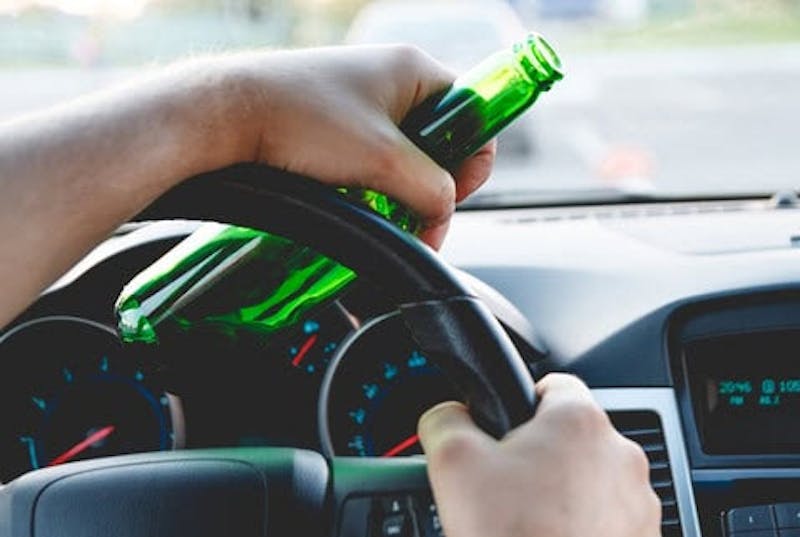
One of the most negligent things a driver can do is to get behind the wheel while drunk. Unfortunately, the habit of getting behind the wheel while drunk is quite common in the United States of America. When a driver gets behind the wheel while intoxicated, they put themselves and other road users at risk. Drunk drivers can become drowsy or fall asleep at the wheel. This can lead to an accident. Also, alcohol impairs vision, thinking, reasoning, and muscle coordination, all of which are necessary to safely operate a vehicle. According to the NHTSA, more than 30 people die in the U.S. daily in drunk-driving accidents. Thankfully, not all drunk-driving crashes cause death. However, the injuries sustained can be severe and life-changing.
If a drunk driver causes an accident, they could be held responsible for any injuries or other damages arising from the accident, on top of being made to face criminal penalties. In the event that a drunk driver hits you, the following are some of the steps you need to take:
Call the Police
After getting hit by a drunk driver, it is vital that you call the police to the accident scene. When you call 911, let the dispatcher know where you are, the parties involved, any sustained injuries, and that you believe the other driver was driving under the influence of alcohol. That description to the 911 dispatcher could be crucial when filing an insurance claim against the drunk driver. Also, the evidence the police collect at the accident scene and the report they generate can be vital to your case.
Monitor the Drunk Driver
Pay attention to how the other driver is acting. The following are some of the signs of intoxication you should watch out for;
Once the police arrive at the accident scene, report these signs. This will play a vital role in your insurance claim.
Gather Information
Gather as much information as possible before leaving the accident scene if your condition allows you. Examples of information to collect include the other driver’s name, contact information, insurance information, and names and contact information of potential witnesses. If you are uncomfortable conversing with the drunk driver, ensure you acquire their information from the police after they arrive at the scene.
Take Pictures
If your condition allows you, take pictures at the accident scene. Take pictures of, among other things, the vehicles involved in the accident, any debris or marks on the road, and any visible injuries. You can use photos as evidence to support your insurance claim.
Seek Medical Attention
It is vital to your health and well-being that you seek immediate medical attention after getting hit by a drunk driver. It is also crucial for your injury claim that you seek prompt medical attention. Seeking prompt medical attention can help you prove that the drunk driver caused your injuries. It can help you prove the severity of your injuries.
Contact the Gus Anastopoulo Law Firm
Another crucial step to take after getting hit by a drunk driver is hiring an experienced drunk driving accident lawyer. Our Charleston drunk driving accident lawyer Gus Anastopoulo can help you handle your drunk driving accident claim and recover the compensation you deserve.
Source:
nhtsa.gov/risky-driving/drunk-driving
If you’ve been injured, don’t accept the insurance company’s first offer. Get the team who makes them pay you what they should.