Push for the Maximum Recovery Possible

Head-on collisions are relatively rare but disproportionately deadly. In the United States, these crashes make up about 2 percent of all motor vehicle collisions, yet they account for roughly 10 percent of all traffic fatalities because of the extreme forces involved.

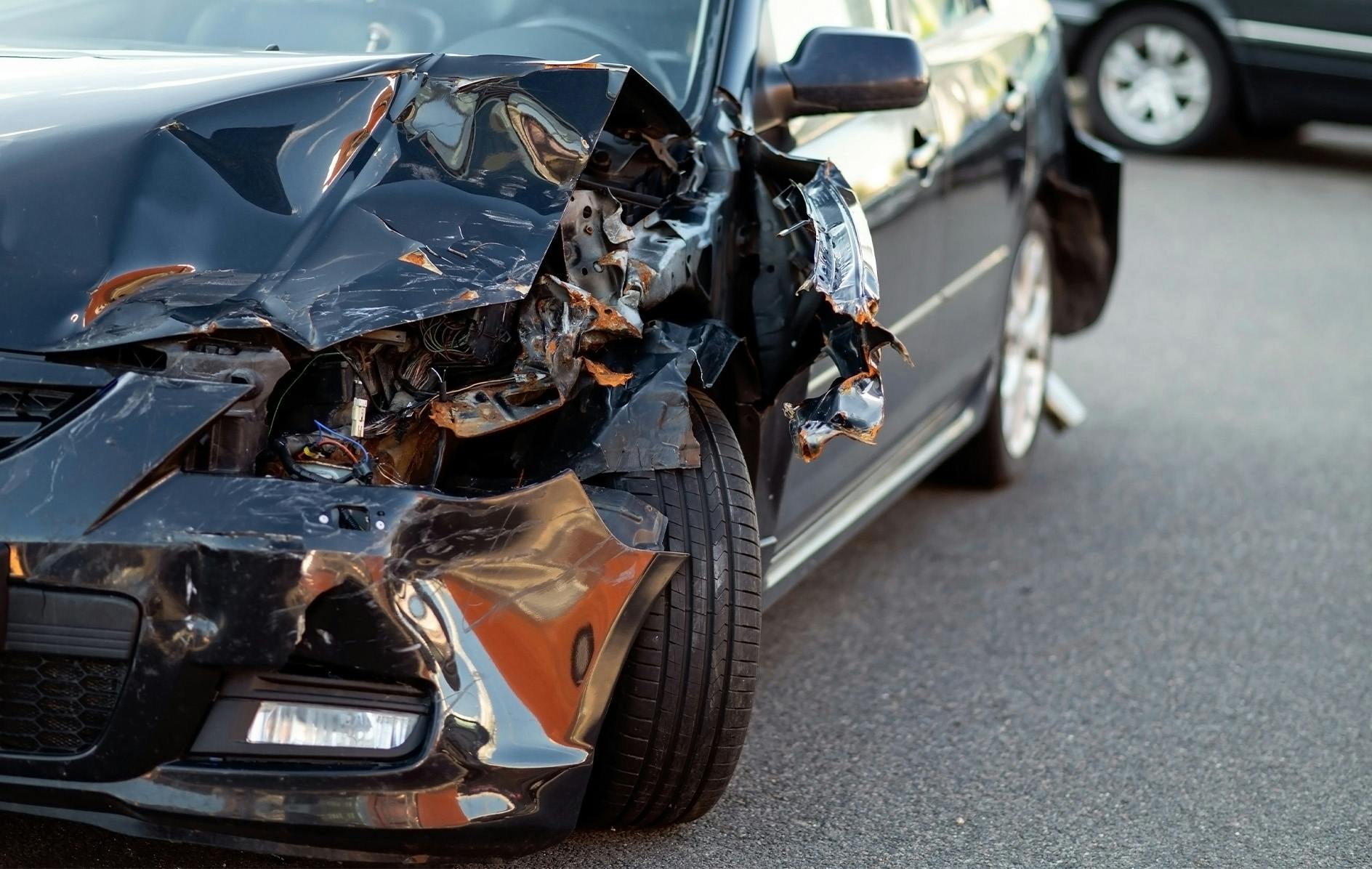
A head-on collision occurs when two vehicles traveling in opposite directions strike each other front-to-front. These impacts deliver force equivalent to a high-speed crash into a fixed object, often resulting in catastrophic injuries such as severe brain trauma, spinal damage, broken bones, and internal organ harm. Because of their severity, head-on collisions can leave survivors with long-term disabilities, extensive medical needs, and financial hardship.

Types of Head-On Collision Injuries

Traumatic Brain Injuries

The violent force of a head-on collision can cause the brain to strike the skull, leading to concussions, bleeding, or permanent brain damage. These injuries often affect memory, cognition, personality, and the ability to work or live independently.

Spinal Cord Injuries

Spinal cord injuries are common in head-on crashes and can result in chronic pain, limited mobility, or paralysis. Even less severe spinal damage may require lifelong treatment, adaptive equipment, and significant lifestyle changes for everyday activities.

Broken Bones and Crush Injuries

The front-end impact frequently traps or compresses the body, causing complex fractures or crush injuries. These injuries often require surgery, metal hardware, and extended rehabilitation, with some victims never regaining full strength or range of motion.

Internal Organ Damage

Blunt-force trauma can damage organs such as the lungs, liver, spleen, or kidneys. Internal injuries are especially dangerous because the symptoms may not appear immediately, yet they can be life-threatening and require emergency surgery or intensive care.

Severe Lacerations and Amputations

Shattered glass and twisted metal can cause deep lacerations, nerve damage, or traumatic amputations. These injuries often leave permanent scarring or disability and carry significant physical, emotional, and psychological consequences long after the crash.

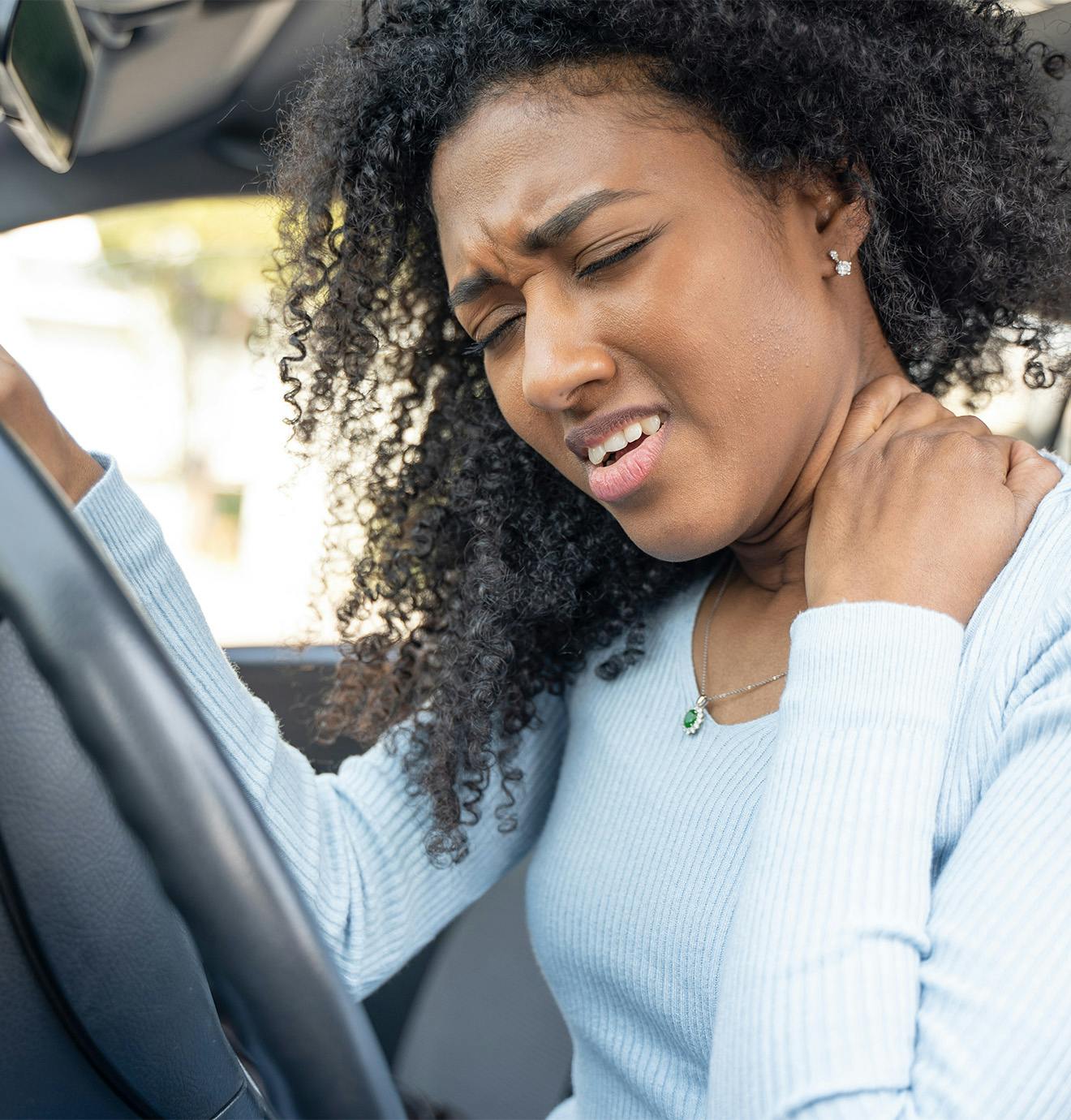
woman holding her neck in pain while sitting in a car

Common Reasons for Head-On Collisions

Head-on collisions almost never happen by chance. In most cases, they are the direct result of a driver making a dangerous decision or failing to stay fully in control of their vehicle. The most common causes include:

  • Distracted driving and inattention
  • Drunk or drug-impaired driving
  • Speeding or aggressive driving behavior
  • Wrong-way driving on highways or one-way roads
  • Fatigued or drowsy driving
  • Unsafe passing or crossing the center line
  • Failure to adjust driving in poor weather or low visibility

Why Choose Gus Anastopoulo Law Firm for Head-On Collisions?

After a head-on collision, everything feels stacked against you: serious injuries, aggressive insurance adjusters seeking to deny or minimize your claim, and a system designed to slow you down. At Gus Anastopoulo Law Firm, we flip that script. We stay on the offense from day one and build cases that force the defense to respond. We ensure you’re not left chasing updates: our team consistently pushes your case forward with urgency and constant communication.

Gus Anastopoulo built this firm by outworking opponents and refusing to play by the defense’s rules, and that mindset shows up in every case. He’s hands-on, strategic, and relentless about accountability, especially in high-impact crashes where the injuries are catastrophic. We use every tool at our disposal to expose weak defenses and demand results. The defense knows our name because we make their job uncomfortable, and that’s exactly the point.

Who Can Be Held Liable for Head-On Collisions?

Liability in a head-on collision is rarely as simple as blaming the other driver and moving on. These cases require a close, aggressive investigation into how the crash happened, who made the critical mistakes, and whether other parties contributed to the danger. We break down every detail, including police reports, vehicle data, road conditions, surveillance footage, and expert analysis, to identify all sources of liability and avoid leaving money on the table. Depending on the facts, responsibility for a head-on collision may fall on:

  • A negligent or reckless driver who crossed the center line
  • A drunk or drug-impaired driver
  • A fatigued or distracted commercial driver
  • An employer of a negligent driver operating a work vehicle
  • A vehicle manufacturer in cases involving defective parts
  • A government entity responsible for unsafe road design or signage
  • A third party who caused another driver to swerve or lose control
Banner media

Logo media Schedule A Consultation

What Are the Types of Compensation Available for Head-On Collisions?

A head-on collision can dismantle your finances, career, and sense of stability. The law allows you to pursue compensation that reflects the full scope of what this crash has taken from you, not just what shows up on an initial hospital bill. At Gus Anastopoulo Law Firm, we look beyond surface-level damages and account for both immediate losses and long-term consequences.
Depending on the facts of your case, compensation may include:

  • Past and future medical expenses related to your injuries
  • Lost wages and reduced earning capacity
  • Pain and suffering from physical injuries
  • Emotional distress and mental trauma
  • Costs of rehabilitation, therapy, and long-term care
  • Permanent disability or disfigurement
  • Property damage and vehicle replacement
  • Loss of enjoyment of life
attorney

Steps to Take Immediately After Head-On Collisions

The moments after a head-on collision are chaotic, painful, and overwhelming, but what you do next can impact your health and your legal claim. Taking the right steps early helps protect both. If you are able, focus on taking the following actions:

  • Call 911 and request emergency medical assistance
  • Seek immediate medical evaluation, even if symptoms seem minor
  • Follow all instructions given by first responders and medical providers
  • Document the scene with photos or videos, if safe to do so
  • Obtain contact and insurance information from all involved drivers
  • Identify and collect contact information for any witnesses
  • Avoid discussing fault or giving recorded statements to insurers
  • Preserve all medical records, bills, and related documentation
  • Contact an experienced motor vehicle accident lawyer in Charleston

Why Hire a Head-On Collisions Lawyer in Charleston

Head-on collisions are aggressively defended because the injuries are severe and the financial exposure is high. Insurers move fast to control the narrative and limit payouts. Hiring a head-on collision lawyer in Charleston levels the field. An experienced car accident lawyer in Charleston knows how to preserve evidence, prove fault, and calculate damages. More importantly, you gain someone who understands South Carolina law and knows how local insurers operate.

Head-On Collisions Frequently Asked Questions

What if I was partially at fault for the crash?

South Carolina follows a modified comparative negligence rule. You can recover compensation if you are less than 51 percent at fault, but your recovery is reduced by your percentage of fault. Head-on collision cases are aggressively contested, and insurance companies often try to push blame onto you to reduce what they owe. We don’t let that go unanswered.

How long do I have to file a lawsuit for a head-on collision in South Carolina?

In most cases, South Carolina gives you three years from the date of the crash to file a personal injury lawsuit. If a government vehicle or unsafe roadway is involved, shorter notice deadlines may apply. Waiting too long risks losing critical evidence and your leverage.

What if the at-fault driver was drunk or driving the wrong way?

Drunk driving and wrong-way crashes often open the door to punitive damages under South Carolina law. These damages are meant to punish reckless behavior and deter future misconduct. They significantly raise the stakes and the resistance from the defense.

Do head-on collision cases usually go to trial?

Many cases resolve through settlement, but head-on collisions are often heavily contested because the injuries are severe and the damages are serious. That’s why you must work with a skilled car accident attorney in Charleston who prepares each case as if it were going to trial. Insurers often settle when they believe you’re ready to take the case to court if needed.

Contact us media

Get the Lawyer Who Won’t Back Down

If you’ve been injured, don’t accept the insurance company’s first offer. Get the team who makes them pay you what they should.

Talk to Us About Your Case For Free

This field is required.
Get Help With Your Case

This site is protected by reCAPTCHA and the Google Privacy Policy (opens in a new tab) and Terms of Service (opens in a new tab) apply.

Contact us media
Accessibility: If you are vision-impaired or have some other impairment covered by the Americans with Disabilities Act or a similar law, and you wish to discuss potential accommodations related to using this website, please contact our Accessibility Manager at (843) 310-5555.
Contact Us