Force Accountability and Maximum Recovery

Even with scant reporting, the numbers show that nursing home abuse is a widespread and serious problem. In the United States, about 1 in 10 nursing home residents experiences some form of abuse or neglect each year, and nearly 16% report being abused in care facilities. In 2023, U.S. nursing homes received over 94,000 health citations, with 8.1% tied to abuse, neglect, or exploitation of residents. Nursing home abuse isn’t just carelessness: it’s intentional harm or mistreatment of a vulnerable person in a trusted environment.

This can include physical violence, emotional cruelty, financial exploitation, and other acts that inflict pain, suffering, or loss. As nursing home abuse attorneys in Charleston, we see how this conduct devastates victims and families. Because it’s deliberate, the law often allows for higher compensation for medical costs, future care needs, and severe emotional harm. Abuse shatters dignity, erodes trust, and demands accountability.

Types of Nursing Home Abuse

Physical Abuse

Physical abuse involves intentional force against a vulnerable resident, including hitting, pushing, rough handling, improper restraints, or denying necessary care. Because nursing home residents are often frail or medically dependent, even minimal force can cause broken bones, head injuries, or permanent damage that changes their quality of life overnight.

Emotional and Psychological Abuse

Emotional abuse is deliberate conduct meant to intimidate, isolate, or break a resident’s dignity. Threats, humiliation, verbal attacks, or telling residents they’ve been abandoned can cause severe anxiety, depression, and fear. These injuries may be invisible, but the trauma is real and legally actionable under South Carolina law.

Financial Exploitation

Financial abuse occurs when staff or facilities misuse, steal, or manipulate a resident’s money or financial assets. This can include coercion, unauthorized withdrawals, forged signatures, or unnecessary guardianship actions. When trust is abused for financial gain, victims may suffer lasting economic harm alongside emotional distress.

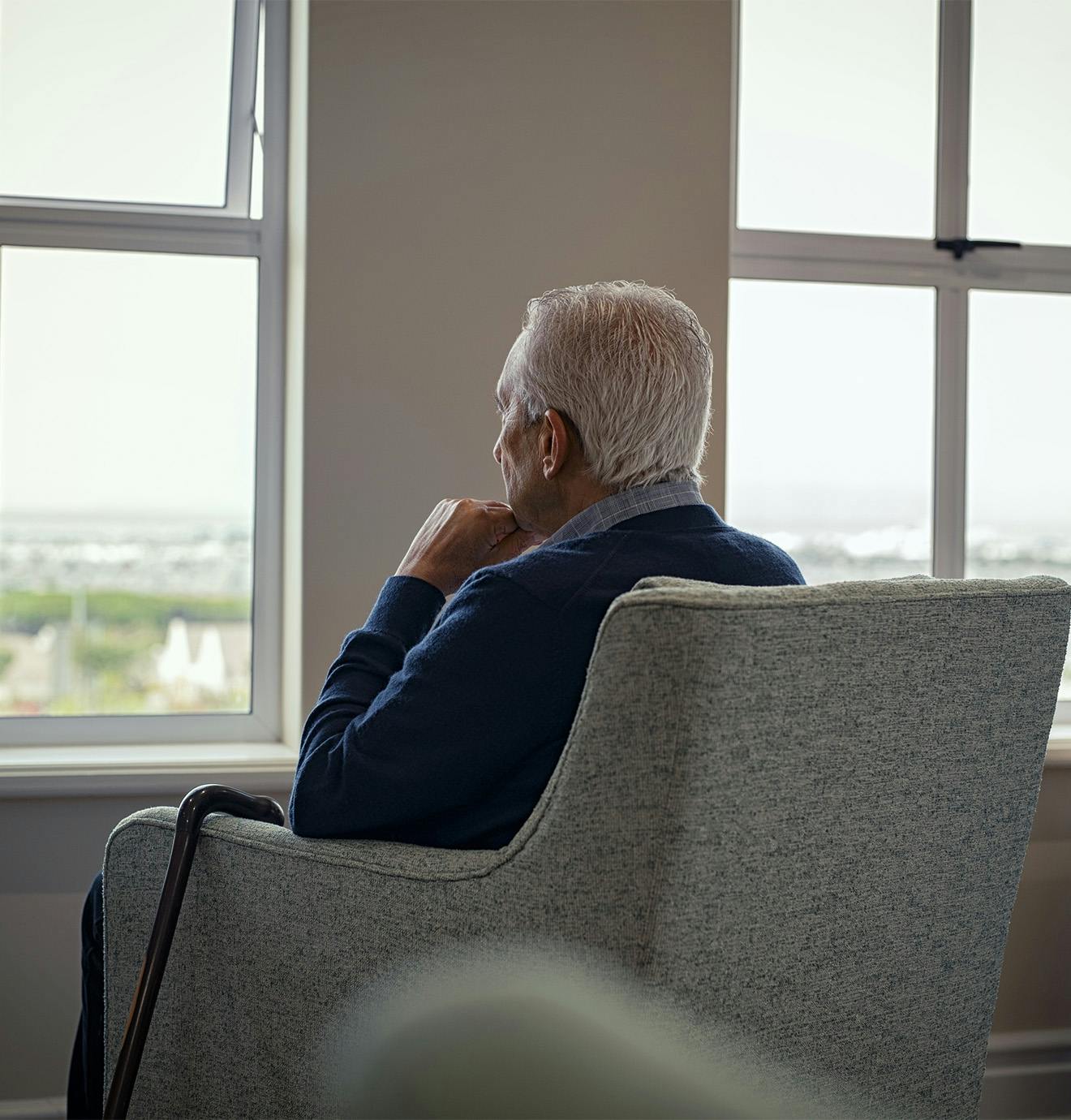
older man sitting on a chair, looking out a window

Common Reasons for Nursing Home Abuse

Nursing home abuse rarely happens by accident. It often grows out of systemic failures inside facilities that put profits and convenience ahead of resident safety. Some of the most common causes include:

  • Chronic understaffing that leaves residents unattended and vulnerable
  • Poor training that leaves employees unprepared to handle complex care needs
  • High turnover that disrupts the continuity of care and accountability
  • Low morale that leads to frustration, resentment, and burnout
  • Inadequate supervision that allows misconduct to go unnoticed
  • Cost-cutting measures that sacrifice resident care for higher margins
  • Failure to investigate complaints or discipline abusive staff

Why Choose Gus Anastopoulo Law Firm for Nursing Home Abuse?

When a nursing home abuses its power, you need to dial up the pressure. Gus Anastopoulo Law Firm was founded to confront institutions that think elderly residents won’t fight back. We investigate aggressively, document patterns of abuse, and force facilities and insurers to answer for intentional misconduct. As nursing home lawyers in Charleston, we understand how these cases are defended and exactly where those defenses break down.

That approach starts at the top. Gus Anastopoulo built this firm from the ground up by refusing to accept the status quo, and that same edge shows up in every case we handle. We always push cases forward aggressively, anticipate defense tactics, and make it clear early on that cutting corners with vulnerable residents comes at a cost.

Logo media Schedule A Consultation

Who Can Be Held Liable for Nursing Home Abuse?

Nursing home abuse cases are rarely as simple as blaming one employee. We look at who caused the harm, who allowed it to happen, and who benefited from cutting corners. Liability may often extend beyond the individual abuser to the facility itself and, in some cases, outside companies responsible for staffing or oversight. At Gus Anastopoulo Law Firm, we break these cases down piece by piece to expose every failure that led to your loved one being hurt.

Negligent Hiring

Negligent hiring occurs when a nursing home puts residents at risk by hiring unqualified, untrained, or dangerous employees. Many facilities rush hiring to deal with understaffing, ignoring background checks, credentials, or clear warning signs. Liable parties may include:

  • The nursing home facility
  • Corporate owners or management companies
  • Third-party staffing agencies
  • Executives responsible for hiring policies

Negligent Supervision

Even a qualified employee can become dangerous without oversight. Negligent supervision occurs when a facility fails to monitor staff behavior, investigate complaints, or discipline workers who break the rules. In such cases, liable parties may include:

  • Nursing home administrators
  • Corporate management teams
  • Supervisors responsible for staff oversight
  • Parent companies controlling daily operations

Direct Acts of Abuse

Some abuse is committed intentionally by individuals. While the facility is often financially responsible, the person who caused the harm can also be held accountable directly. Liable parties for direct acts of abuse often include:

  • Nurses and aides
  • Caregivers and technicians
  • Orderlies or support staff
  • Contracted medical providers

What Are the Types of Compensation Available for Nursing Home Abuse?

Nursing home abuse isn’t a minor lapse in care: it’s intentional misconduct that often leaves lasting physical, emotional, and financial damage. Because these cases involve deliberate wrongdoing, the law allows victims and their families to pursue higher compensation than in standard negligence claims. The goal isn’t just to cover immediate losses, but to fully account for how the abuse disrupted your loved one’s health, dignity, and future care needs. Depending on the facts of the case, compensation may include:

  • Medical expenses, including emergency care, hospitalization, and rehabilitation
  • Future care costs, when abuse leads to long-term or permanent medical needs
  • Pain and suffering, for physical pain, loss of dignity, and reduced quality of life
  • Emotional distress, including anxiety, depression, fear, and psychological trauma
  • Financial losses, when abuse involves theft, coercion, or misuse of assets
  • Punitive damages, when conduct is especially reckless or intentional
  • Wrongful death damages, when abuse leads to a fatal outcome
Banner media

Identifying Nursing Home Abuse Steps to Take Immediately After

Once you suspect nursing home abuse, time matters. Acting quickly can protect your loved one from further harm and preserve critical evidence before it disappears. The right steps early on can make all the difference in holding the facility accountable.

  • Ensure the resident’s immediate safety
  • Seek medical evaluation and document all injuries
  • Photograph visible injuries and unsafe conditions
  • Preserve medical records, financial statements, and communications
  • Report the abuse to facility administrators and state authorities
  • Avoid confronting staff without documentation
  • Contact a nursing home abuse attorney in Charleston promptly

Why Hire a Nursing Home Abuse Lawyer in Charleston

Nursing home abuse cases are aggressively defended, and facilities move fast to protect themselves, not your loved one. A nursing home abuse lawyer in Charleston knows how to uncover misconduct, preserve evidence, and stop insurers from minimizing what happened. As a nursing home neglect attorney in Charleston, we understand state regulations, reporting requirements, and the tactics facilities use to deflect blame. We can help level the playing field and ensure your family isn’t pressured into accepting less than the law allows.

person signing documents

Nursing Home Abuse Frequently Asked Questions

How do I know if nursing home abuse is happening?

Abuse isn’t always obvious. Warning signs can include unexplained injuries, sudden personality changes, fear of certain staff, poor hygiene, rapid weight loss, or unusual financial activity. In South Carolina, families are encouraged to trust their instincts. If something feels off, it usually is. Facilities rarely admit problems voluntarily, so an investigation is crucial.

What if the abuser had a criminal record?

Having a criminal record does not automatically disqualify someone from working in a nursing home under South Carolina law. However, facilities are required to screen, evaluate, and supervise employees, especially those with prior convictions. If a nursing home hired someone with a violent, abusive, or relevant criminal history without safeguards, that can support a negligent hiring or negligent supervision claim. As nursing home abuse attorneys in Charleston, we investigate background checks, hiring practices, and internal warnings to determine whether the facility knowingly put residents at risk.

Is nursing home neglect the same as abuse?

No. Neglect involves a failure to provide proper care, while abuse is intentional conduct. That distinction matters. Abuse claims often allow for higher damages, including punitive damages, because the harm was deliberate. A nursing home neglect lawyer in Charleston can evaluate whether your case crosses that legal line.

Can a facility be held liable for one bad employee?

Absolutely. Nursing homes are often responsible for negligent hiring, negligent supervision, and systemic failures that allow abuse to happen. Even when an individual staff member commits the act, the facility may still be financially liable.

Who can file a nursing home abuse lawsuit in South Carolina?

The abused resident can file a claim. If the resident is incapacitated, a legal guardian, power of attorney, or family member may act on their behalf. If abuse leads to death, certain surviving family members may pursue a wrongful death claim under South Carolina law.

How long do I have to file a claim?

South Carolina generally applies a three-year statute of limitations to nursing home abuse cases. However, delays can seriously weaken evidence. Facilities often “lose” records or rotate staff quickly. A nursing home abuse attorney in Charleston can step in early to preserve critical documentation and witness testimony.

Contact us media

Get the Lawyer Who Won’t Back Down

If you’ve been injured, don’t accept the insurance company’s first offer. Get the team who makes them pay you what they should.

Talk to Us About Your Case For Free

This field is required.
Get Help With Your Case

This site is protected by reCAPTCHA and the Google Privacy Policy (opens in a new tab) and Terms of Service (opens in a new tab) apply.

Contact us media
Accessibility: If you are vision-impaired or have some other impairment covered by the Americans with Disabilities Act or a similar law, and you wish to discuss potential accommodations related to using this website, please contact our Accessibility Manager at (843) 310-5555.
Contact Us