Burn injuries can change everything. When you’re dealing with severe pain, permanent scarring, or months of medical treatment, the fallout can reach every part of your life. Gus Anastopoulo Law Firm can step in early, protect your rights, and push your case forward while you focus on healing.
Burn injuries are far more common and serious than many people realize. According to the American Burn Association, in the U.S., about 29,165 people are admitted to hospitals for burn treatment each year, and roughly 795 burn-related inpatient deaths occur annually among those admissions.
In South Carolina alone, recent data by the South Carolina State Fire shows 66 fire-related deaths in 2024 due to unintentional fire injuries, many of which include burns.
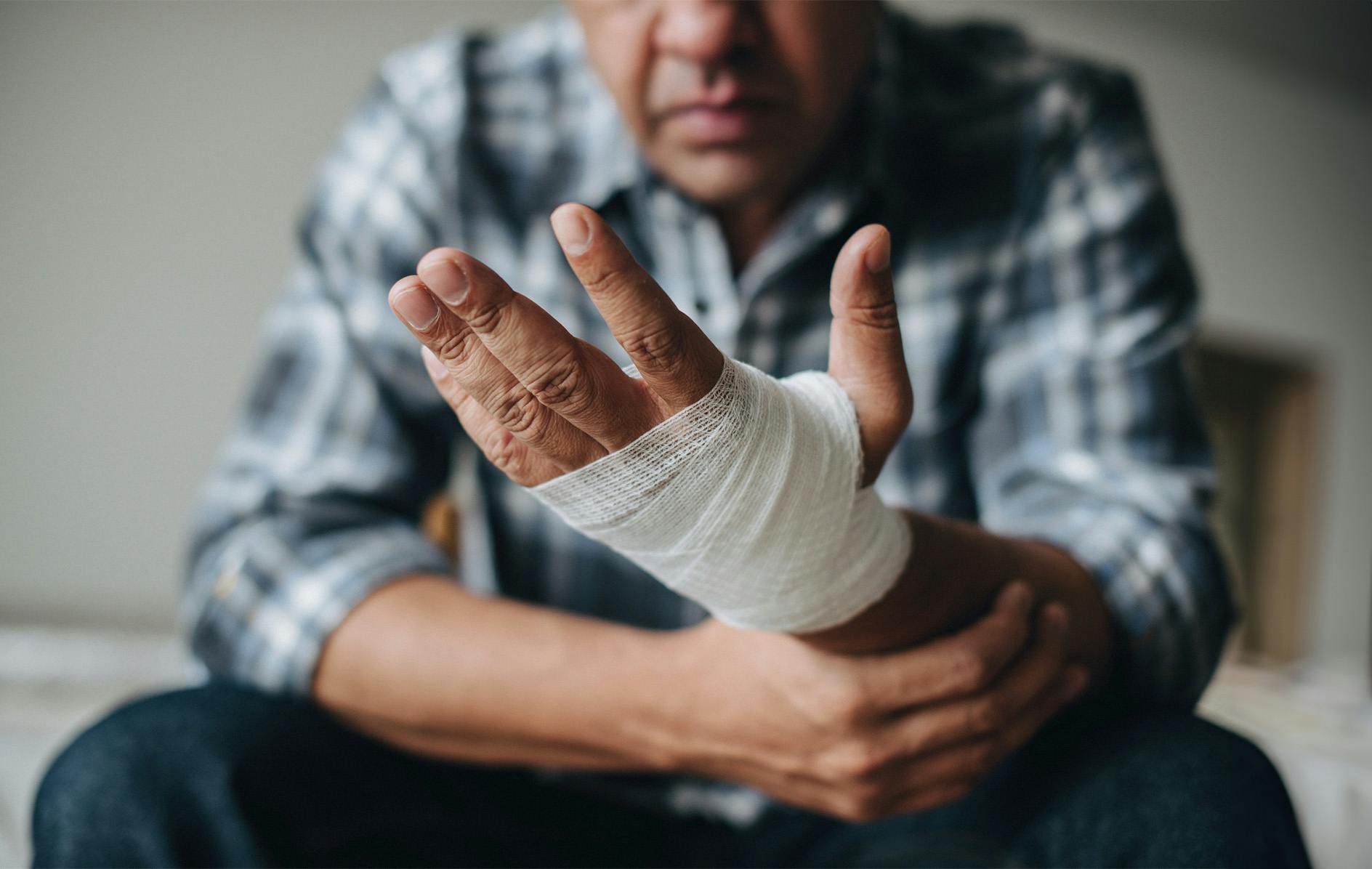
A burn injury occurs when heat, chemicals, electricity, or other forces damage the skin and deeper tissues. These injuries range from minor first-degree burns to life-threatening fourth-degree burns and can cause physical pain, scarring, loss of function, and emotional trauma. Because recovery often requires long-term care and rehabilitation, the impact on daily life, work, and relationships can be devastating, making it critical to have legal support from a burn injury attorney in Charleston who understands both the human and legal stakes.
What Are the Different Types of Burn Injuries?
First-Degree Burns
First-degree burns affect only the outer layer of the skin. While often considered minor, they can still cause significant pain, redness, and sensitivity that interfere with daily activities. Repeated exposure or improper treatment can worsen symptoms, delay healing, and increase the risk of complications, especially when large areas of the body are involved.
Second-Degree Burns
Second-degree burns damage deeper layers of skin and frequently result in blistering, swelling, and intense pain. These injuries are far more than surface wounds. They can limit mobility, increase infection risk, and leave lasting scars. Recovery often requires medical intervention and extended time away from work or normal routines.
Third-Degree Burns
Third-degree burns destroy the full thickness of the skin and can permanently damage nerves and tissue. The skin may appear white, charred, or leathery, and sensation is often lost. These injuries almost always require surgery, skin grafts, and long-term rehabilitation, and these injuries can have lifelong physical and emotional consequences.
Fourth-Degree Burns
Fourth-degree burns extend beyond the skin into muscle, tendons, or bone. These are catastrophic, frequently life-threatening injuries that demand immediate, intensive medical care and rehabilitation. Survivors often face permanent disability, amputations, or loss of function, along with considerable psychological trauma and lifelong medical needs.
Real Client Testimonial
The team at Gus Anastopoulo Law Firm is amazing. They were professional and maintained amazing communication during the duration of my case. I would recommend them to anyone!
J.S.
What Are Common Reasons for Burn Injuries?
Burn injuries typically happen when dangerous conditions are ignored, safety rules are cut, or products fail the people using them. In many cases, these injuries are entirely preventable and trace back to someone else’s carelessness, such as:
Residential fires caused by faulty wiring, appliances, or heating equipment
Workplace accidents involving hot surfaces, chemicals, or electrical hazards
Vehicle crashes that lead to fires, explosions, or fuel-fed burns
Burn injury cases often involve digging into how the injury happened, who controlled the risk, and where safety broke down. Liability depends on identifying every party whose actions, decisions, or failures contributed to the dangerous conditions that caused the burn. That means closely examining evidence, timelines, safety standards, and whether known hazards were ignored or covered up. In many cases, more than one party may share responsibility.
Depending on the circumstances, liable parties may include:
Property owners who failed to maintain safe conditions
Employers who ignored workplace safety rules or training requirements
Manufacturers of defective or dangerous products
Contractors or maintenance companies responsible for unsafe repairs
Drivers whose negligence caused vehicle fires or explosions
Companies that sold or distributed hazardous chemicals
Government entities responsible for unsafe public property or infrastructure
What Are the Types of Compensation Available for Burn Injuries?
Burn injuries often create layers of damage that go beyond the initial medical emergency. Long-term treatment, emotional trauma, lost income, and permanent limitations can follow a burn victim for years. A successful claim looks at the full impact of the injury, not just what you’ve already paid, but what this injury will continue to cost you over time. The goal is to pursue compensation that reflects the real consequences of the harm you’ve suffered. Depending on the severity of the injury and the facts of the case, compensation may include:
Past and future medical expenses, including surgeries and rehabilitation
Lost wages and reduced earning capacity
Pain and suffering tied to physical and emotional trauma
Scarring, disfigurement, and loss of quality of life
Psychological treatment for anxiety, depression, or PTSD
Out-of-pocket costs related to long-term care or accommodations
What Steps Should I Take Immediately After Suffering Burn Injuries?
What you do in the moments and days after a burn injury can affect your recovery and ability to protect your legal rights. Taking the right steps helps preserve evidence, document the extent of your injuries, and avoid mistakes that insurance companies often exploit. Follow these steps immediately after burn injuries:
Seek immediate medical attention and follow all treatment instructions
Document the injury with photos and detailed notes as soon as possible
Report the incident to the appropriate authority or property owner
Preserve any defective products, equipment, or clothing involved
Avoid recorded statements or early settlement offers from insurers
Keep copies of medical records, bills, and time missed from work
Speak with a burn injury lawyer in Charleston before any deadlines apply
Why Do I Need a Burn Injury Lawyer in Charleston?
Burn injury cases are complex, aggressive, and heavily defended. Insurance companies move fast to limit exposure, often before the full impact of your injuries is clear. A burn injury lawyer in Charleston understands how these cases unfold, from preserving evidence to proving long-term medical and financial harm. Working with a skilled personal injury lawyer in Charleston, like Gus Anastopoulo, gives you an advocate who understands local laws, anticipates defense tactics, and pushes for compensation that reflects the true, lasting consequences of your injuries.
Why Choose the Burn Injury Attorneys at Gus Anastopoulo Law Firm in Charleston, SC?
Burn injuries can lead to extensive medical treatment, lasting complications, and significant financial strain. At Gus Anastopoulo Law Firm, we work to make the legal process more manageable while pursuing accountability from those responsible. Gus Anastopoulo remains actively involved in cases, giving clients direct guidance and keeping their claims on track. Our team emphasizes responsive communication, careful case preparation, and consistent attention to each client's needs. We are committed to protecting your interests and pursuing a resolution that reflects the full impact of your injuries.
Gus Anastopoulo's recognitions and achievements include:
Elite Lawyer Personal Injury – 2022
South Carolina Super Lawyers – Rising Star, 2022–Present
South Carolina Association for Justice
The National Trial Lawyers: Top 40 Under 40
American Institute of Personal Injury Attorneys, 10 Best Attorneys – 2025–Present
If someone else's negligence caused your burn injuries, pursuing compensation may help you address medical expenses, lost income, and other resulting losses. Contact the burn injury lawyers in Charleston, South Carolina, at Gus Anastopoulo Law Firm to schedule a consultation and discuss your legal options.
Burn Injuries
Frequently Asked Questions
How long do I have to file a burn injury claim in South Carolina?
In most burn injury cases, South Carolina law gives you three years from the date of the injury to file a personal injury lawsuit. That might sound like plenty of time, but burn cases involve delayed complications, extended treatment, and multiple responsible parties. Waiting too long can make evidence harder to secure and weaken your leverage.
What if I was partially at fault for the accident?
South Carolina follows a modified comparative fault rule. That means you can still recover compensation as long as you are less than 51% at fault, but your recovery may be reduced by your percentage of responsibility. If you are over 50% at fault, you lose your right to recover. This is a common defense tactic, especially in workplace, fire, and product-related claims.
Are burn injuries covered by workers' compensation?
If your burn injury happened on the job, workers’ compensation may cover medical treatment and a portion of lost wages. However, workers’ comp does not provide damages for pain and suffering. In many cases, there may also be third-party claims against manufacturers, contractors, or property owners outside your employer.
What if a defective product caused my burn injury?
Manufacturers, distributors, and retailers can be held strictly liable when a defective product, such as a faulty appliance, battery, or piece of equipment, overheats, malfunctions, or ignites and causes a burn injury (S.C. Code § 15-73-10). These claims often proceed under product liability law rather than ordinary negligence, and may not require proving the manufacturer was careless, only that the product was unreasonably dangerous.
Can I sue a landlord for a fire caused by faulty wiring or a missing smoke detector?
Landlords have a legal duty to maintain safe electrical systems and keep the premises in a fit and habitable condition (S.C. Code § 27-40-440). If a landlord ignored maintenance requests, failed required inspections, or neglected known fire hazards, they can be held liable for injuries their negligence caused, even if the fire started in a common area rather than your unit.
How is compensation calculated for permanent scarring and disfigurement?
Compensation for scarring and disfigurement considers the location, size, and visibility of the scarring, along with the psychological toll it takes on daily life, relationships, and self-image. Medical testimony about the permanence of the scarring and the likelihood of future reconstructive procedures also plays a significant role in valuing this type of claim.
Accessibility: If you are vision-impaired or have some other impairment covered by the Americans with Disabilities Act or a similar law, and you wish to discuss potential accommodations related to using this website, please contact our Accessibility Manager at (843) 310-5555.