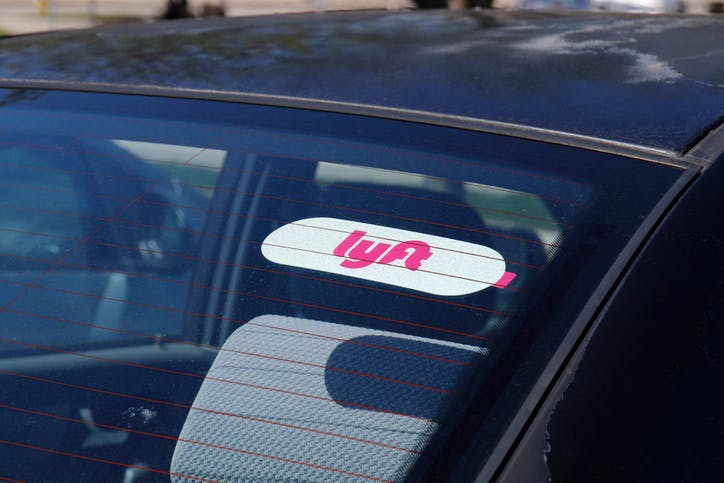
Common Reasons for Lyft Accidents

Lyft crashes often trace back to the same predictable pressures that affect rideshare driving generally, including:

  • Distracted driving from app notifications and navigation changes
  • Driver unfamiliarity with Charleston roads and traffic patterns
  • Speeding to accept or complete rides
  • Fatigue from long or back-to-back shifts
  • Unsafe pickup or drop-off locations

How Lyft's Insurance Coverage Works

A Lyft accident is any collision involving a vehicle operating on the Lyft platform, whether the driver is waiting for a ride request, en route to a pickup, or actively transporting a passenger. Like other rideshare companies, Lyft ties its coverage to the driver's app status at the time of the crash:

  • App off: Only the driver's personal auto insurance applies.
  • App on, waiting for a ride request (Period 1): Lyft provides limited contingent liability coverage, generally $50,000 per person, $100,000 per accident, and $25,000 in property damage, which typically applies only if the driver's personal insurer denies the claim.
  • En route to pick up a passenger or during an active trip (Periods 2 and 3): Lyft's full commercial policy applies, providing at least $1 million in third-party liability coverage, along with uninsured/underinsured motorist protection and contingent comprehensive and collision coverage for the driver's vehicle.

According to Lyft's own 2024 Safety Transparency Report, the company recorded 111 motor vehicle fatalities nationwide during its most recent multi-year reporting period, with a fatality rate per 100 million miles traveled that remained below the national vehicle average.

Lyft screens every driver before their first ride and requires ongoing monitoring of criminal and driving records, but crashes still happen, and Lyft's insurers do not make claims easy for injured riders.

Types of Lyft Accident Injuries

Traumatic Brain Injuries

Head injuries range from concussions to permanent brain damage, often disrupting memory, concentration, and emotional regulation.

Spinal Cord and Back Injuries

Damage to the spine can cause chronic pain, limited mobility, or paralysis, frequently requiring long-term medical care.

Broken Bones and Orthopedic Injuries

Fractures to the arms, legs, ribs, hips, or shoulders are common in Lyft crashes and often require surgery and extended recovery.

Internal Injuries

Blunt-force trauma can cause internal bleeding or organ damage that may not be immediately obvious but can be life-threatening if untreated.

Neck and Soft Tissue Injuries

Whiplash and soft tissue damage cause lasting pain and reduced range of motion, even when insurers try to minimize them.

Who Can Be Held Liable for a Lyft Accident?

Liability depends on the driver's app status and who caused the crash. Depending on the facts, liable parties may include:

  • The Lyft driver, if distracted driving, speeding, or an unsafe pickup caused the crash
  • Lyft's insurer, once the driver was en route to a pickup or on an active trip
  • Another negligent driver, if a third party caused the collision
  • Lyft itself, in limited circumstances involving negligent driver vetting

What Compensation Is Available After a Lyft Accident?

Depending on the facts of your case, compensation may include:

  • Medical expenses, including emergency care, surgery, and future treatment
  • Lost wages and reduced future earning capacity
  • Pain and suffering and emotional distress
  • Property damage to your vehicle or belongings
  • Wrongful death damages, when a Lyft crash results in a fatality
two people shaking hands

Steps to Take After a Lyft Accident

  1. Call 911 and seek medical evaluation, even if injuries seem minor
  2. Document the scene with photos and videos
  3. Obtain the driver's name, license plate, and app status
  4. Report the crash directly through the Lyft app
  5. Avoid giving recorded statements to Lyft's insurance adjusters
  6. Preserve trip receipts, ride confirmations, and medical records
  7. Contact an experienced Lyft accident lawyer in Charleston as soon as possible

Banner media

Why Choose Gus Anastopoulo Law Firm for Lyft Accidents?

Lyft's insurers often argue that a driver's personal policy should apply rather than the company's commercial coverage, especially in the gray area immediately after a ride request is accepted. The firm has overcome exactly that kind of coverage dispute before: after a hit-and-run left one client with no identifiable at-fault driver, multiple other firms turned the case away, concluding there was no available insurance. The team secured a $250,000 recovery instead by pursuing the victim's own uninsured motorist coverage. 

Gus Anastopoulo took his first case in January 2021, representing a mother who suffered a brain injury after being struck by a texting driver, with no other clients, staff, or financial safety net behind him. That case set the tone for how the firm handles injury claims today: dig into every available policy, and don't accept an insurer's first explanation for why they won't pay. The firm's trial-tested litigators prepare every Lyft accident case as though it's headed to a courtroom, which is often what convinces an insurer to negotiate seriously in the first place. Contact us today to book your case evaluation so we can discuss how we can help you.

Lyft Accident FAQs

Does Lyft automatically cover my injuries after a crash?

No. Coverage depends on the driver's status in the app at the moment of the crash. If the driver was offline, only their personal insurance applies. If they were logged in and waiting for a request, limited contingent coverage may apply. If they were en route to a pickup or transporting a passenger, Lyft's full commercial policy applies.

Is Lyft responsible if its driver caused my crash?

Lyft classifies its drivers as independent contractors rather than employees, which generally shields the company from direct liability for a driver's negligence. Claims typically proceed against the driver and Lyft's applicable insurance policy rather than against Lyft as a company.

What if another driver, not the Lyft driver, caused the crash?

If a third-party driver caused the collision, that driver's insurance applies first. If they are uninsured or underinsured, Lyft's uninsured/underinsured motorist coverage may apply if you were a passenger on an active trip at the time of the crash.

How do I prove the Lyft driver's app status at the time of the crash?

App data and trip records can establish exactly when a driver went online, accepted a ride, and picked up or dropped off a passenger. This data is often obtained through a records request or subpoena and frequently determines which insurance tier applies to your claim.

How long do I have to file a Lyft accident claim in South Carolina?

South Carolina's statute of limitations generally gives injury victims three years from the date of the crash to file a personal injury lawsuit. Because Lyft's insurers often dispute which coverage period applied, acting quickly helps preserve the trip data your claim may depend on.

Compliance disclaimer

The information on this page is provided for general educational purposes only and does not constitute legal advice. Every case is different. Past results do not guarantee future outcomes.

Contact us media

Get the Lawyer Who Won’t Back Down

If you’ve been injured, don’t accept the insurance company’s first offer. Get the team who makes them pay you what they should.

Talk to Us About Your Case For Free

This field is required.
Get Help With Your Case

This site is protected by reCAPTCHA and the Google Privacy Policy(opens in a new tab) and Terms of Service(opens in a new tab) apply.

Contact us media
Accessibility: If you are vision-impaired or have some other impairment covered by the Americans with Disabilities Act or a similar law, and you wish to discuss potential accommodations related to using this website, please contact our Accessibility Manager at (843) 310-5555.
Contact Us