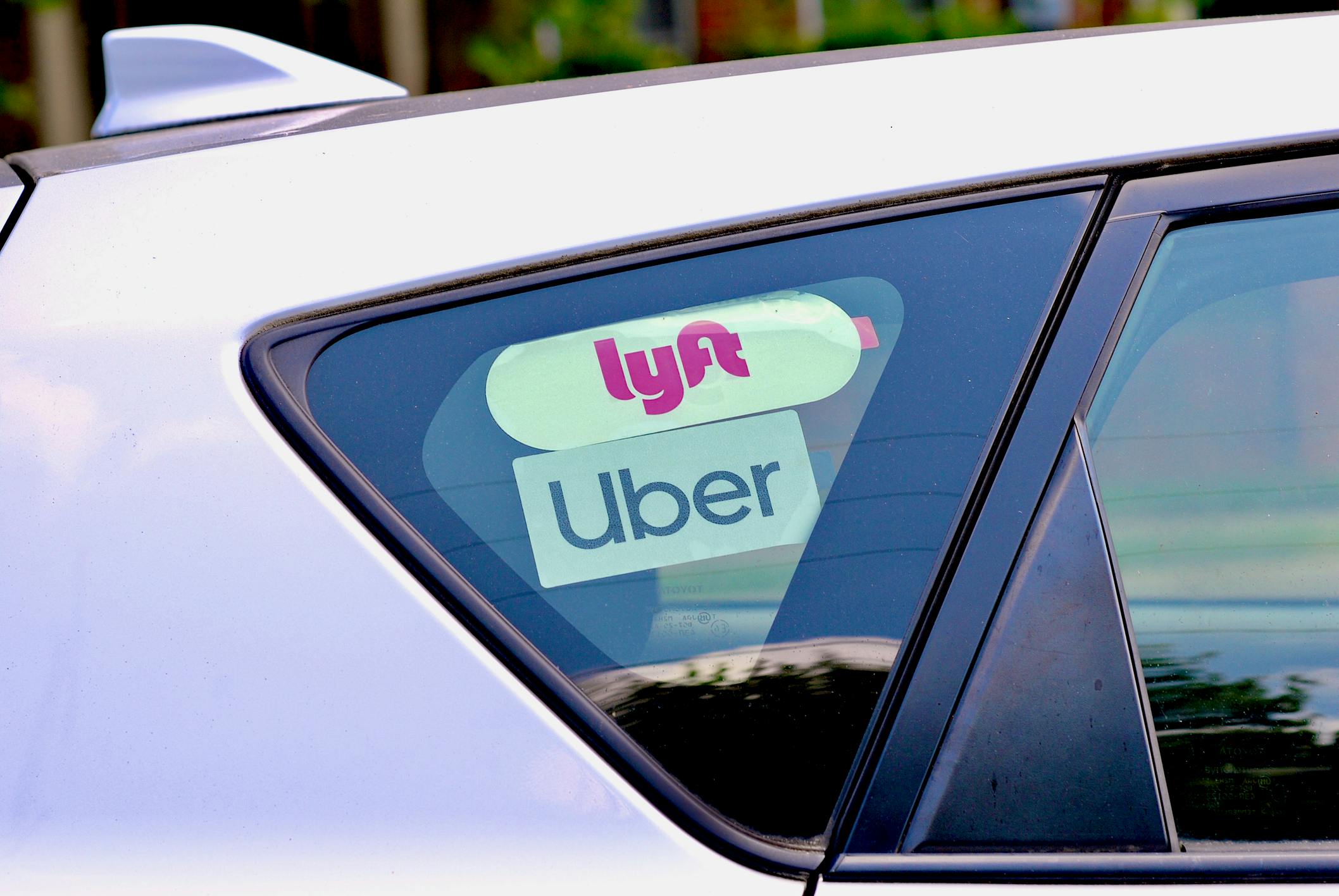
Rideshare Accidents Are More Common Than Most Riders Realize

Rideshare use has grown rapidly across the country, and the crash data has grown with it. For example:

  • A CDC-published analysis found that every 100 additional rideshare trips in an area corresponds to a 4.6% increase in the odds of an injury crash, largely tied to driver distraction and unfamiliar routes
  • Both Uber and Lyft report that well over 99% of trips are completed without a safety incident, but with billions of trips taking place each year, even a small percentage translates into thousands of serious crashes annually

A rideshare accident claim can involve:

  • The rideshare driver
  • Another negligent driver
  • The rideshare company's insurer
  • Some combination of all three

Sorting out which policy applies and when is often the single biggest obstacle between an injured rider and fair compensation.

How Does Rideshare Insurance Coverage Work?

Rideshare companies structure their insurance coverage around the driver's status in the app at the moment of the crash. Three periods generally apply:

  • App off: Only the driver's personal auto insurance applies. Most personal policies exclude commercial activity like rideshare driving, which can create a coverage gap.
  • App on, waiting for a ride request: Limited contingent liability coverage applies, generally in the range of $50,000 per person, $100,000 per accident, and $25,000 in property damage, and typically only after the driver's personal insurer denies the claim.
  • En route to pick up a passenger or during an active trip: Full commercial coverage applies, generally up to $1 million in third-party liability, along with uninsured/underinsured motorist protection.

Insurers frequently dispute which period applied at the time of a crash, since the coverage amount can shift by hundreds of thousands of dollars depending on the answer. App data, trip logs, and driver statements are often the deciding evidence in these disputes.


Banner media

What Are Different Types of Rideshare Accident Injuries?

Traumatic Brain Injuries

  • Head injuries range from concussions to permanent brain damage
  • Even a "mild" brain injury can disrupt memory, concentration, and emotional regulation, affecting your ability to work and function independently long after the crash

Spinal Cord and Back Injuries

  • Damage to the spine can cause chronic pain, limited mobility, or paralysis
  • These injuries often require long-term medical care and lifestyle changes that permanently alter how you move, work, and live day to day

Broken Bones and Orthopedic Injuries

  • Fractures to the arms, legs, ribs, hips, or shoulders are common in rideshare crashes
  • Many require surgery, hardware implantation, and months of recovery

Internal Injuries

  • Blunt-force trauma can cause internal bleeding or organ damage that isn't immediately obvious
  • These injuries can be life-threatening if untreated

Neck and Soft Tissue Injuries

  • Whiplash and soft tissue damage affect muscles, ligaments, and tendons
  • Insurers often downplay these injuries, even though they can cause lasting pain and reduced range of motion

What Are Common Causes of Rideshare Accidents in Charleston?

Rideshare crashes are rarely random. They typically trace back to predictable pressures built into how rideshare driving works, including:

  • Overreliance on GPS navigation in unfamiliar areas
  • Distracted driving from app alerts and route changes
  • Speeding to accept or complete rides
  • Fatigue from long or back-to-back shifts
  • Unsafe pickup or drop-off locations
  • Failure to monitor passenger safety inside the vehicle
Banner media

Uber and Lyft Accidents

Uber and Lyft each apply their own insurance policies, safety protocols, and claims processes, and the details differ enough to matter. Visit our Uber Accident Lawyer and Lyft Accident Lawyer pages for company-specific guidance on coverage and next steps.

Who Can Be Held Liable for Rideshare Accidents?

Liability depends on who caused the crash and what the driver was doing at the time. Depending on the facts, liable parties may include:

  • The rideshare driver, if distracted driving, speeding, or poor judgment caused the crash
  • The rideshare company's insurer, once the driver was en route to or transporting a passenger
  • Another negligent driver, if a third party caused the collision
  • An employer, if a commercial driver caused the crash while on the job

In many cases, more than one of these parties shares responsibility, and identifying every available source of coverage is critical to full compensation.

What Compensation Is Available After a Rideshare Accident?

Depending on the facts of your case, compensation may include:

  • Medical expenses, including emergency care, surgery, and ongoing treatment
  • Lost wages and reduced future earning capacity
  • Pain and suffering and emotional distress
  • Property damage
  • Wrongful death damages, when a rideshare crash results in a fatality
two people shaking hands

What Steps Should I Take After a Rideshare Accident?

  • Call 911 and seek medical evaluation, even if injuries seem minor
  • Document the scene with photos and videos
  • Obtain the driver's information and app status
  • Report the crash through the rideshare app
  • Avoid giving recorded statements to insurance adjusters
  • Preserve medical records, receipts, and ride details
  • Contact an experienced rideshare accident lawyer in Charleston as soon as possible
Banner media
attorney Gus

Why Choose the Rideshare Accident Attorneys at Gus Anastopoulo Law Firm in Charleston, SC?

When a rideshare accident turns your life upside down, you need a legal team that takes your case seriously from the start. At Gus Anastopoulo Law Firm, we approach every rideshare accident claim with urgency, strategy, and determination. Gus Anastopoulo remains directly involved in the cases we handle, providing accessible guidance and keeping each claim moving forward. From dealing with rideshare companies and insurance carriers to investigating the circumstances of a collision, our team focuses on clear communication, strategic action, and consistent follow-through.

Gus Anastopoulo's recognitions and achievements include:

  • Elite Lawyer Personal Injury – 2022
  • South Carolina Super Lawyers – Rising Star, 2022–Present
  • South Carolina Association for Justice
  • The National Trial Lawyers: Top 40 Under 40
  • American Institute of Personal Injury Attorneys, 10 Best Attorneys – 2025–Present

If you’ve been injured in a rideshare accident, don’t wait to seek the legal guidance you deserve. Contact the rideshare accident lawyers in Charleston at Gus Anastopoulo Law Firm today to schedule a consultation and discuss your options for pursuing compensation.

Rideshare Accident FAQs

Does it matter which rideshare app the driver was using?

Yes. Uber and Lyft each maintain their own insurance policies and claims processes, so identifying the correct company early affects how quickly a claim moves and which insurer you're dealing with. Trip receipts and app screenshots help confirm which platform was involved.

Am I covered if I was a passenger in someone else's rideshare vehicle, not my own ride?

Coverage depends on whether the driver was logged into the app and what stage of a trip they were in, not on whose account arranged the ride. If the driver was actively transporting passengers, the applicable rideshare company's commercial policy typically applies regardless of who booked the trip.

What if I was injured as a pedestrian or cyclist struck by a rideshare driver?

You may still have access to the rideshare company's liability coverage if the driver was logged into the app at the time of the crash. Our personal injury lawyers in Charleston investigate the driver's app status independently, since rideshare companies and their insurers do not always volunteer that information.

How long do I have to file a rideshare accident claim in South Carolina?

South Carolina's statute of limitations generally gives injury victims three years from the date of the crash to file a personal injury lawsuit. Rideshare claims often involve multiple insurers, so acting early helps preserve trip data and app records before they become harder to obtain.

Can I sue Uber or Lyft directly, or only the driver?

Because rideshare companies classify drivers as independent contractors, most claims proceed against the driver and the applicable insurance policy rather than the company itself. However, certain circumstances, such as negligent hiring or a defect in the app's safety features, can support a direct claim against the company.

Compliance disclaimer

The information on this page is provided for general educational purposes only and does not constitute legal advice. Every case is different. Past results do not guarantee future outcomes.
Contact us media

Get the Lawyer Who Won’t Back Down

If you’ve been injured, don’t accept the insurance company’s first offer. Get the team who makes them pay you what they should.

Talk to Us About Your Case For Free

This field is required.
Get Help With Your Case

This site is protected by reCAPTCHA and the Google Privacy Policy(opens in a new tab) and Terms of Service(opens in a new tab) apply.

Contact us media
Accessibility: If you are vision-impaired or have some other impairment covered by the Americans with Disabilities Act or a similar law, and you wish to discuss potential accommodations related to using this website, please contact our Accessibility Manager at (843) 310-5555.
Contact Us