


Get the Lawyer Who Won’t Back Down
If you’ve been injured, don’t accept the insurance company’s first offer. Get the team who makes them pay you what they should.
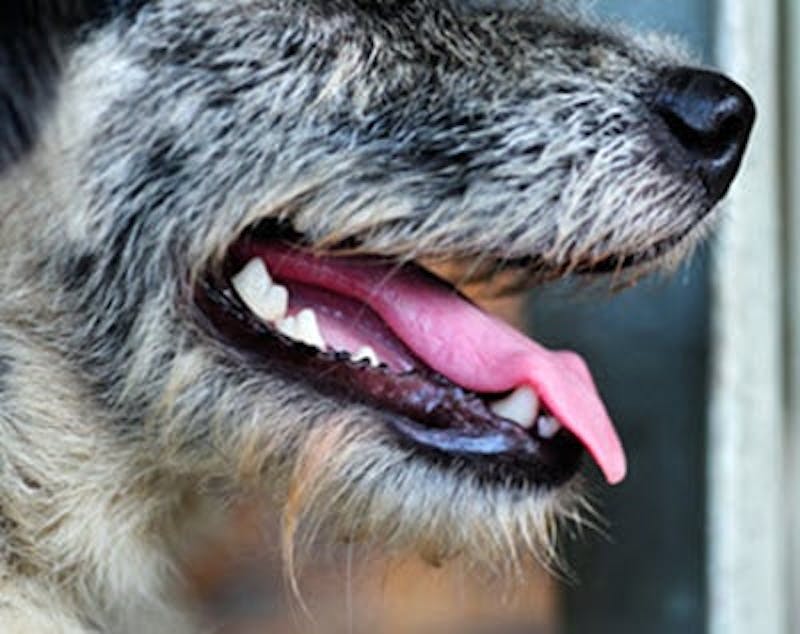
South Carolina follows a strict liability rule for dog bites. Under S.C. Code § 47-3-110, a dog's owner, or the person keeping the dog at the time, is liable for injuries the dog causes to someone who is in a public place or lawfully on private property. The victim need not prove that the owner knew the dog was dangerous, which sets South Carolina apart from states that follow a "one-bite" approach.
Understanding how this law works and where its exceptions apply can make the difference between a straightforward claim and a drawn-out dispute with an insurance company. Gus Anastopoulo built his firm's reputation by refusing to let insurers dictate the terms of a case. That approach has helped the firm recover a $287,565 judgment for a client who was attacked by a dog, which was fully collected on the client's behalf.
Below, the attorneys at Gus Anastopoulo Law Firm, who work directly with clients rather than handing cases off to a call center, break down what the law actually says and how it affects victims across the state.
South Carolina's dog bite statute holds an owner responsible for damages caused by their dog, regardless of whether the dog has ever bitten anyone before. Strict liability means the injured person does not have to prove the owner was careless or negligent in controlling the animal.
Some states instead follow a "one-bite rule," which requires the victim to show the owner had prior knowledge of the dog's aggressive tendencies before liability attaches. However, South Carolina does not impose that burden.
The statute also covers more than just bites. Injuries caused when an unrestrained dog knocks someone down or otherwise attacks a person are treated the same way under the law.
A dog owner in South Carolina can be held liable when specific conditions are met at the time of the attack. Generally, the injured person must show that:
Meeting these conditions places the responsibility for the attack on the owner, without requiring proof of prior aggressive behavior.
Owners facing a dog bite claim typically raise one of two defenses.
The first is provocation. This means if the injured person did one of the following, and that provocation caused the attack, the owner may not be liable under the strict liability statute:
The second is trespassing, since § 47-3-110 only applies when the victim was lawfully present on the property at the time of the attack.
A related statute, S.C. Code § 47-3-50, separately makes it illegal for an owner to allow a dog to run at large or to keep a known vicious dog without adequate restraint. This can support a negligence claim even outside the strict liability framework.
South Carolina does not have a statewide breed-specific law, meaning no breed is banned or singled out at the state level. Instead, decisions about classifying a dog as dangerous, and any restrictions that follow, are generally left to local city and county ordinances. Anyone concerned about a specific dog's history should check with their local animal control office, since requirements vary from one municipality to another.
Victims have a limited amount of time to bring a claim. S.C. Code § 15-3-530 sets a three-year statute of limitations for most personal injury claims in South Carolina, including those arising from a dog bite or attack. Filing after this window closes will generally result in dismissal of the case, regardless of how strong the underlying evidence may be.
Victims who meet the requirements of the strict liability statute may recover economic damages, such as medical bills and lost wages, along with non-economic damages, such as pain and suffering and scarring.
Those who bring a negligence claim, rather than relying solely on strict liability, may also be eligible for punitive damages if the owner's conduct was reckless or grossly negligent.
Dog bite cases often turn into a dispute over the dog's history, the location of the attack, or who was really at fault, and having an attorney who has seen these arguments before matters.
There are no upfront costs to hire Gus Anastopoulo Law Firm, since the firm only gets paid if you recover compensation. Our clients consistently point to responsiveness as a hallmark of working with the team, with one client noting they were kept informed every step of the way. We represent dog bite victims throughout South Carolina, not just in Charleston, and we prepare every case as if it is headed to trial, so insurers know we are not looking to settle for less than the injury is worth.
Contact our office today for a free consultation if you or a loved one has been injured by a dog.
Disclaimer: The information on this page is provided for general educational purposes only and does not constitute legal advice. Every case is different. Past results do not guarantee future outcomes.
If you’ve been injured, don’t accept the insurance company’s first offer. Get the team who makes them pay you what they should.